


Nigeria’s Human Capital Key to Global Competitiveness — NITDA DG
By Alabidun Shuaib AbdulRahman
The Director General of the National Information Technology Development Agency (NITDA), Kashifu Inuwa, has said Nigeria’s human capital remains central to the country’s drive for global competitiveness and sustainable development.
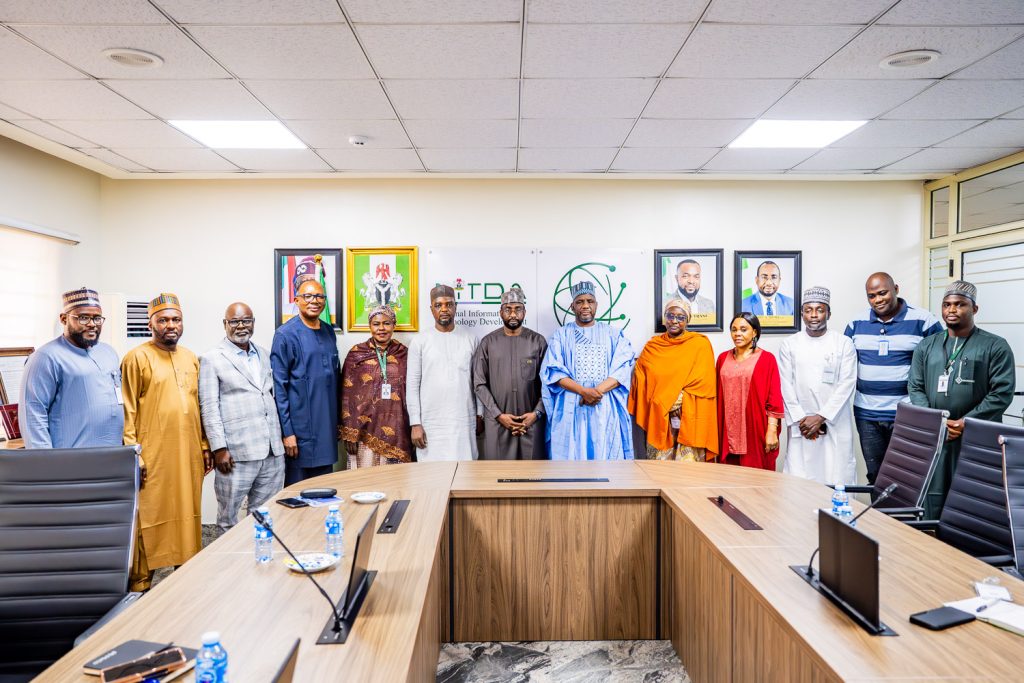
Inuwa stated this while receiving a delegation from the National Commission for Almajiri and Out-of-School Children’s Education at the agency’s headquarters in Abuja.
He noted that Nigeria’s youthful and fast-growing population presents a strategic advantage at a time when many developed economies are grappling with ageing populations and shrinking workforces.
READ ALSO: NITDA, NNPCL Partner to Accelerate Digital Transformation in Energy Sector
According to him, global demand for technical talent is expected to far exceed supply by 2030, positioning Nigeria to become a major contributor to the global labour market if adequate investments are made in education and digital skills.
“With the right investments in education and digital skills, Nigeria can transform its demographic advantage into a powerful engine for economic growth and global relevance,” he said.
The NITDA boss further argued that Nigeria has the potential to emerge as a global talent hub and a net exporter of skilled professionals, adding that migration should be reframed as a strategic asset rather than a loss, especially given the remittances and knowledge transfer from Nigerians in the diaspora.
He drew parallels with India, noting that consistent investment in human capital development had enabled the country to produce top executives in leading global technology firms.
Inuwa also noted the need to address Nigeria’s large out-of-school population, stressing that equipping underserved communities with digital skills could unlock significant economic opportunities while narrowing the global talent gap.
He said the agency’s National Digital Literacy Framework is aimed at achieving 95 per cent digital literacy across the country by 2030.
The framework, he explained, focuses on six core areas including device and software operation, information and data literacy, digital content creation, digital marketing, online safety, and problem-solving.
According to him, digital skills can transform key sectors of the economy, including agriculture and small-scale trade, by enabling data-driven farming practices and expanding market access through digital platforms.
Inuwa also disclosed the “Digital Literacy for All” initiative, which targets students, workers, and individuals in the informal sector, alongside partnerships with international organisations to train civil servants and strengthen institutional capacity.
He reaffirmed NITDA’s readiness to collaborate with the Almajiri Commission in establishing digital learning centres, developing training content in indigenous languages, and deploying instructors to Almajiri schools nationwide.
Earlier, the Executive Secretary of the commission, Muhammad Sani Idris, commended NITDA’s digital literacy initiatives, describing them as critical to bridging Nigeria’s education gap.
Idris expressed concern over the rising number of out-of-school children, noting that the traditional Almajiri system, originally designed for Qur’anic education, had been weakened by socio-economic challenges and neglect.
He said many children were being sent far from home without adequate care, leaving them vulnerable to exploitation and insecurity.
The Executive Secretary called for coordinated efforts among government agencies, communities, and development partners to address the crisis, noting the trans-border nature of the Almajiri system.
Idris also expressed optimism that strengthened collaboration with NITDA would expand access to education and improve life opportunities for millions of Nigerian children through digital innovation.


