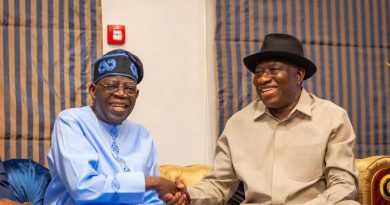

Senator Saliu Mustapha: Human Capital Development is a Calling..
 0
0
 0
0
Senator Saliu Mustapha: Human Capital Development is a Calling..
By Mallam Nasir Abdulquadri
The story of nations is ultimately the story of how they treat the human mind. Long before roads, oil wells, or skylines define prosperity, it is the quiet investment in intellect, character, and capacity that determines the arc of history. Education is not merely a social service; it is a philosophical commitment to the future. It is within this deeper context that Senator Saliu Mustapha’s full scholarship intervention for over 500 talented but underprivileged students in Nigerian higher institutions must be understood, not as charity, not as politics, but as a deliberate act of nation building.
There exists a timeless idea in the Awolowo educational legacy that education is the great equalizer, the most moral form of power, and the surest path to collective advancement. This philosophy was never about spectacle; it was about structure. It believed that when the mind is liberated, society reorders itself. Senator Saliu Mustapha’s intervention flows from this same intellectual stream, education as foresight, education as justice, education as responsibility to generations yet unborn.
READ ALSO: Nigeria First Unity Summit Calls for Collective Action on Peace, National Cohesion
To sponsor a student is to interrupt a destiny that might have been constrained by circumstance. Poverty is not only economic; it is often the denial of access. By providing full scholarships to over 500 gifted but underprivileged students, Senator Saliu Mustapha has institutionalized hope and restored dignity to talent. Beyond tuition, accommodation, and books lies something deeper, the affirmation that brilliance deserves opportunity regardless of origin.
Human capital remains the only asset that grows in value the more it is invested in. Natural resources diminish, infrastructures decay, but educated minds compound knowledge, productivity, and innovation. Senator Saliu Mustapha’s approach recognizes this immutable truth. His intervention is not consumption driven but productivity oriented, not short term relief but long term capacity building. This is human capital development done differently, quiet, strategic, and enduring.
The impact of this educational investment transcends Kwara State. In a world shaped by ideas and skills, knowledge travels faster than borders. The beneficiaries of today become contributors to Africa’s tomorrow. From laboratories to classrooms, boardrooms to public service, these scholars will carry forward a legacy of competence and responsibility, strengthening Nigeria’s position within the global knowledge economy.
This philosophy finds reinforcement in the visionary commitment of Alhaji Aliko Dangote, whose one trillion naira pledge toward education and human capital development reflects a shared understanding among transformational leaders that wealth achieves its highest purpose when converted into human capacity. Such interventions affirm that true development is not inherited; it is cultivated through people.
The greatest attraction for investment in any nation is not oil, gas, or solid minerals, but a skilled, ethical, and adaptable workforce. Nations rise when their people are prepared for the demands of the twenty first century. By prioritizing education, Senator Saliu Mustapha contributes directly to building a workforce that can innovate, compete, and govern effectively. In doing so, he strengthens the very foundations upon which sustainable development rests.
At its core, this intervention speaks to the moral essence of leadership. Authority finds meaning when it expands opportunity; power finds legitimacy when it serves the future. Senator Saliu Mustapha’s educational vision aligns governance with conscience, policy with purpose, and leadership with legacy. It is leadership measured not by slogans, but by lives transformed.
Africa’s development will not be accidental. It will be the outcome of intentional investments in the minds of its people. Every educated child becomes a multiplier of value, a problem solver, a job creator, a mentor, and a nation builder. The ripple effects of Senator Saliu Mustapha’s scholarship initiative will be felt for decades, shaping institutions, industries, and communities.
In an era where natural resources still dominate development conversations, this intervention reminds us of a higher truth that the greatest wealth of any nation is its people. By investing deliberately in education, Senator Saliu Mustapha secures the future not just for individuals, but for Nigeria and Africa at large. In doing it differently, he offers a template for leadership rooted in foresight, humanity, and enduring impact.
Mallam Nasir Abdulquadri is a Special Technical Adviser on Human Capital Development to Senator Saliu Mustapha