


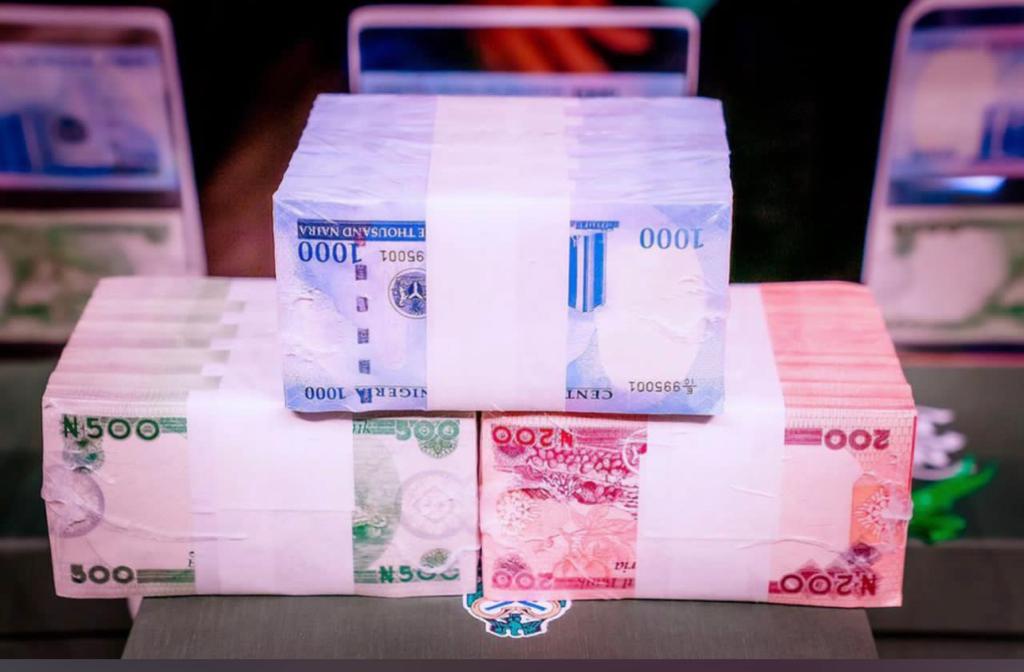
TMV credits Tinubu’s reforms as naira ranks among Africa’s strongest
By Alabidun Shuaib AbdulRahman
The Tinubu Media Volunteers have attributed the naira’s reported performance among Africa’s strongest currencies in the second quarter of 2026 to the economic reforms introduced by President Bola Tinubu’s administration.
The group said the currency’s performance reflected the impact of government policies aimed at strengthening the economy, improving export competitiveness and boosting foreign exchange earnings.
In a statement jointly signed by its Chairman, Chukwudi Enekwechi, and Secretary, Segun Ogedengbe, TMV said the reported ranking was an indication of progress in the administration’s economic reform programme.
The group cited the World Bank’s October 2026 Africa Economic Update, which it said assessed exchange rate movements across 22 African countries outside the CFA franc zone.
READ ALSO: TMV praises Tinubu over N758bn pension arrears payment
According to TMV, the report indicated that the naira depreciated by 2.6 per cent between March and June 2026, placing it among the better-performing currencies during the period.
The group noted that the report also identified higher energy prices, geopolitical uncertainty, capital outflows and increased demand for the US dollar as factors contributing to currency pressures across the continent.
It said the naira’s relative performance demonstrated resilience amid the challenges confronting global and African foreign exchange markets.
TMV stated, “We are confident that the positive performance of the naira is a result of the economic policies and measures put in place by the President Tinubu administration.”
The group argued that the reforms had helped improve the competitiveness of Nigerian exports, enabling local producers to sell more goods in international markets.
It added that increased export activities could generate additional foreign exchange earnings, support domestic production and strengthen the country’s external position.
According to the group, higher export demand could also encourage Nigerian businesses to expand production and create opportunities for economic growth.
TMV described the reported currency performance as another indication that the Nigerian economy was undergoing gradual recovery under the current administration.
It maintained that sustained implementation of the reforms would be necessary to consolidate the gains and improve the stability of the naira.
The group also said increased productivity and stronger export performance would be important to maintaining foreign exchange inflows and reducing pressure on the currency.


