
NITDA seeks military partnership to develop indigenous security technology
 0
 0
NITDA seeks military partnership to develop indigenous security technology
By Alabidun Shuaib AbdulRahman
The National Information Technology Development Agency, NITDA has proposed a strategic partnership with Nigeria’s defence sector to develop indigenous technologies capable of strengthening intelligence gathering and addressing the country’s security challenges.
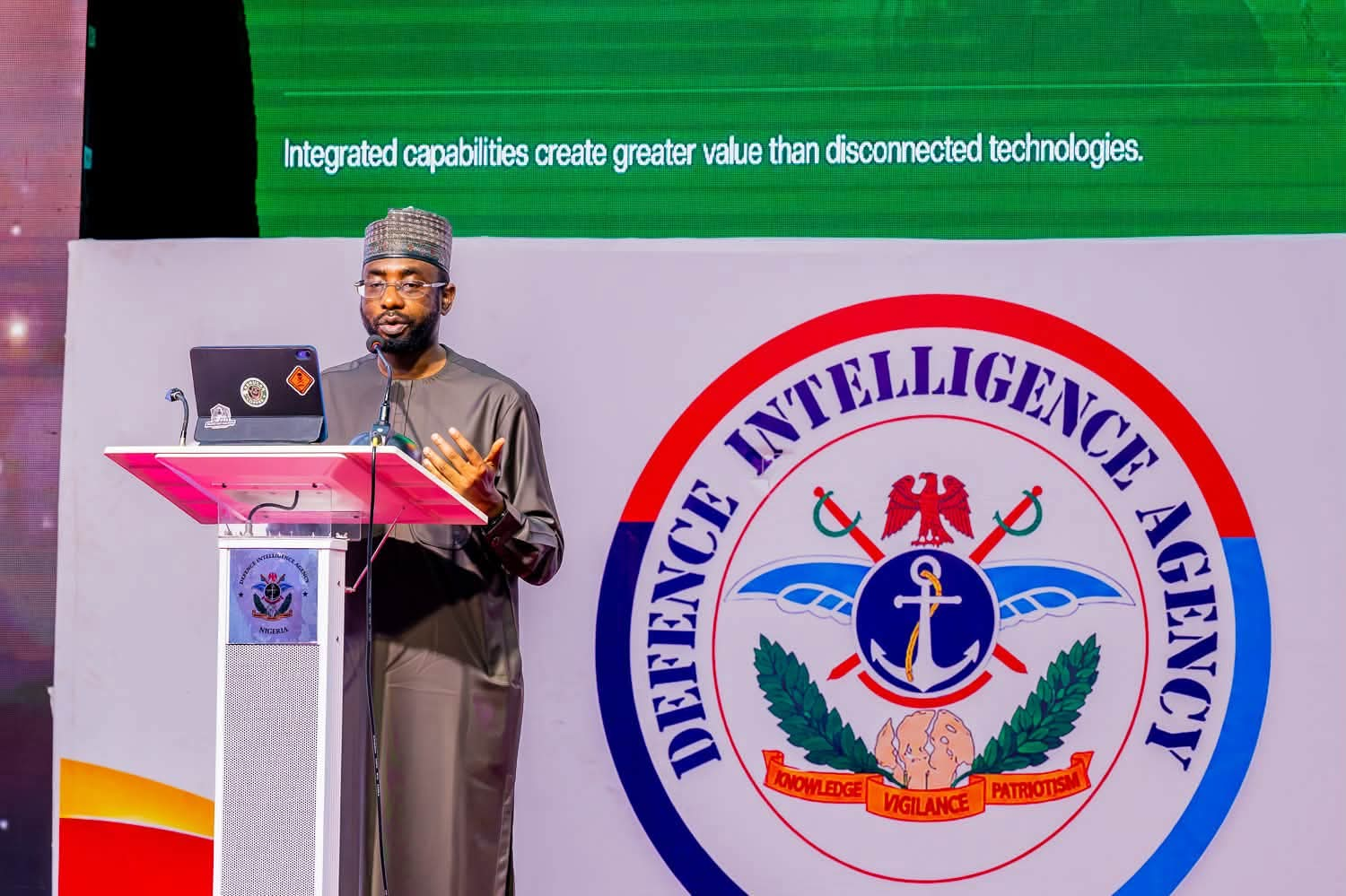
The Director-General of NITDA, Kashifu Inuwa, made the proposal at the Chief of Defence Intelligence Annual Conference 2026, organised by the Defence Intelligence Agency in Abuja.
Inuwa said the growing sophistication of security threats required the military and intelligence community to embrace technological innovation and tap into the expertise of Nigerian technology firms, startups and research institutions.
READ ALSO: COLUMN: What Succour Has CNG Brought?
Addressing the conference with the theme, “Optimising Nigeria’s Intelligence Enterprise through Technological Innovation and Strategic Partnership in a Complex Security Environment,” he said emerging technologies such as artificial intelligence, autonomous systems and data analytics were reshaping intelligence operations and modern warfare.
He argued that Nigeria could no longer afford to depend predominantly on foreign technology for its defence and security needs, insisting that local innovators had the capacity to develop solutions suited to the country’s peculiar challenges.
“Those years are gone when we spend a lot of money to buy technology from foreign countries. Today, talent is everywhere,” he said.
The NITDA chief identified data ownership as another critical component of national security, warning that dependence on foreign-controlled digital infrastructure could expose sensitive government information and undermine national sovereignty.
“Anybody that has data about you, who owns your data, controls you,” he warned.
He consequently urged security institutions to strengthen data governance, cybersecurity systems and secure digital infrastructure to protect sensitive information and enhance the country’s control over its technological assets.
On artificial intelligence, Inuwa explained that integrating the technology with satellite intelligence, sensors and autonomous systems would enable security agencies to analyse large volumes of information, improve surveillance and identify potential threats more efficiently.
He, however, cautioned against allowing artificial intelligence to replace human judgement in sensitive security operations, stressing the importance of accountability and human oversight.
“AI is a tool we can use to enhance our work. We should see AI as a co-worker and co-partner,” he said.
Inuwa cited Nigeria’s financial technology industry as an example of what strategic collaboration between government and private-sector innovators could achieve, saying similar partnerships could accelerate the development of indigenous defence solutions.
He urged defence institutions to change their approach to technology procurement by identifying operational gaps and inviting local technology companies to develop solutions rather than relying solely on the purchase of finished products from foreign manufacturers.
According to him, such an arrangement would promote local research and development, reduce procurement costs, encourage technology ownership and create opportunities for Nigerian innovators.
He proposed that NITDA and the defence sector establish innovation challenges in artificial intelligence, autonomous systems and cybersecurity, through which startups and technology companies would be invited to develop solutions to identified security problems.
The proposed initiative, he explained, would involve technical assessments, testing and evaluation of submitted innovations before their possible deployment by relevant defence institutions.
“The best way to use this technology is to own it and build it with our people,” he said.
The NITDA director-general also stressed the need for appropriate institutional structures, including interoperability standards, specialised technical training, reliable data management systems and secure digital infrastructure, to support the adoption of emerging technologies across the defence sector.
He reaffirmed the agency’s readiness to provide policy support, capacity development, research frameworks and strategic partnerships to accelerate indigenous innovation and strengthen Nigeria’s digital ecosystem.
Inuwa expressed the hope that the proposed partnership would progress beyond conference deliberations to practical implementation, with technology solutions developed and assessed before the next edition of the conference.
The annual conference brought together senior government officials, Service Chiefs, Nigerian Defence Advisers accredited to 91 countries, DIA regional directors, state coordinators and foreign defence advisers to discuss emerging security threats and strategies for improving Nigeria’s intelligence and defence capabilities.