
Kwara Emerges Beneficiary of $500m FG Power, Irrigation Project
 0
0
 0
0
Kwara Emerges Beneficiary of $500m FG Power, Irrigation Project
Kwara State has emerged as one of the beneficiaries of the Federal Government’s $500 million Sustainable Power and Irrigation for Nigeria project after fulfilling all participation requirements.
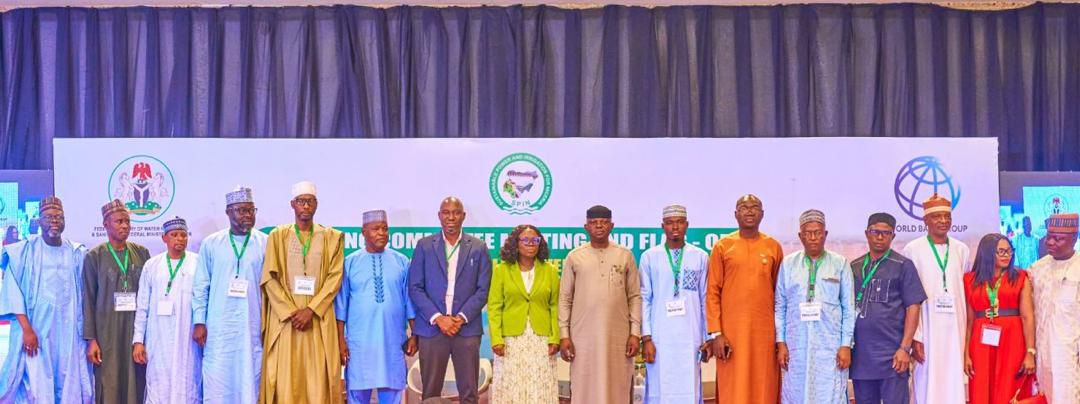
The state Commissioner for Water Resources, Usman Yunusa Lade, disclosed this during the official launch of the initiative in Abuja, where he represented the state.
Lade expressed satisfaction with Kwara’s inclusion, describing it as a reflection of the state’s preparedness and commitment to sustainable development in the water resources and agricultural sectors.
READ ALSO: NYSC Dismisses ‘Death Trap’ Report, Denies Ransom Clause
He noted that the state met the eligibility criteria through strategic actions, including the payment of counterpart funds, the establishment of a legal framework through the Water Users Association Law, and the provision of a viable irrigation site spanning about 3,000 hectares.
The commissioner further revealed that the Duku-Lade Irrigation Scheme had been selected as one of the pilot projects under the initiative, positioning the state among the first to commence implementation.
According to him, the project aligns with the vision of Governor AbdulRahman AbdulRazaq to strengthen irrigation systems, boost agricultural productivity, support farmers, and enhance food security across the state.
“The project aligns with the vision of the Governor to strengthen irrigation systems, enhance agricultural productivity, support farmers and ensure long-term food security,” Lade said.
He reaffirmed the state government’s commitment to maximising the opportunities presented by the initiative through sustained collaboration with federal authorities and development partners.
The Sustainable Power and Irrigation for Nigeria project, launched by the Minister of Water Resources and Sanitation, Prof. Joseph Terlumun Utsev, with support from the World Bank, is designed to modernise irrigation infrastructure, improve dam safety, and integrate hydropower generation.
The initiative is also expected to reduce dependence on rainfall by promoting all-year-round farming and improving water resource management across participating states.