NITDA Trains Civil Servants, Says Digital Skills Key to AI Adoption
 0
0
 0
0
NITDA Trains Civil Servants, Says Digital Skills Key to AI Adoption
By Alabidun Shuaib AbdulRahman
The National Information Technology Development Agency, NITDA has said equipping civil servants with digital skills is critical to the successful adoption of Artificial Intelligence and the implementation of ongoing public sector reforms.
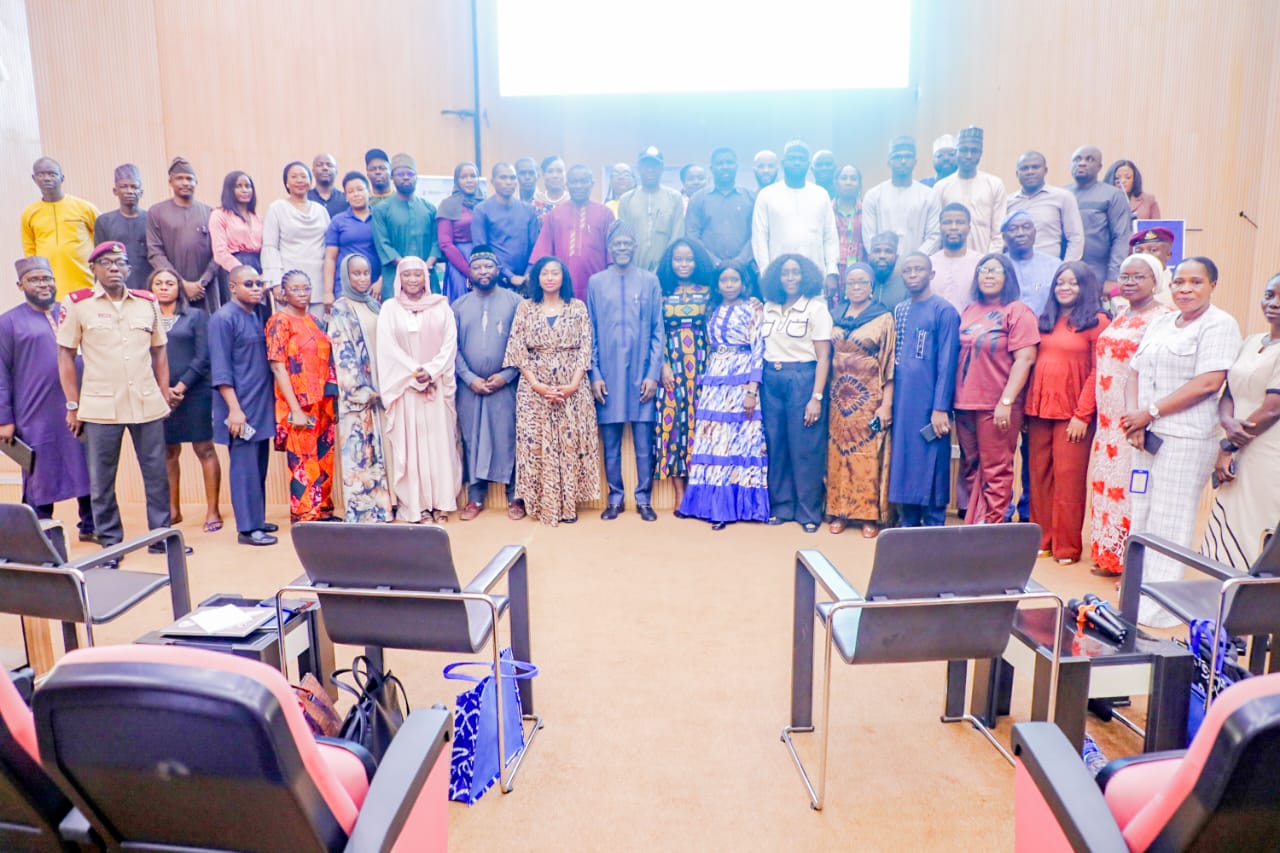
The Director-General of NITDA, Kashifu Inuwa Abdullahi, stated this during a Digital Skills Masterclass organised by the agency in collaboration with Meta for selected officials from Ministries, Departments and Agencies.
Inuwa, who was represented by NITDA’s Director of Digital Development Services, Olawumi Dejo, said Nigeria’s ambition to build a thriving digital economy would depend on a public service that possesses the skills to harness emerging technologies and drive innovation.
He explained that the Digital Skills Masterclass forms part of NITDA’s broader efforts to build an AI-ready public service by strengthening the digital competencies of government workers.
READ ALSO: NITDA Urges MDAs to Strengthen Cyber Defences Against Growing Threats
According to him, the agency developed the National Digital Literacy Framework to provide a standardised roadmap for digital skills development across the country, ensuring that Nigerians acquire competencies aligned with global best practices while addressing local realities.
He said the framework covers six core areas, including device and software operations, information and data literacy, digital content creation, communication and collaboration, digital safety, and problem-solving.
The NITDA boss noted that strengthening digital skills across Ministries, Departments and Agencies, MDAs would improve service delivery, enhance collaboration, safeguard government information and prepare public institutions for the growing adoption of Artificial Intelligence.
He stressed that digital transformation is driven by people rather than technology alone.
“Technology alone cannot transform institutions. Real transformation happens when people acquire the right digital skills to rethink processes, improve productivity and deliver better outcomes,” he said.
Inuwa urged civil servants to embrace continuous learning, saying rapid advances in AI and other emerging technologies require constant upskilling and reskilling to remain productive and relevant.
He also encouraged participants to share the knowledge gained during the training with colleagues through a train-the-trainer approach to accelerate digital capacity development across the public service.
The Director-General disclosed that NITDA, in partnership with the Office of the Head of the Civil Service of the Federation, had trained more than 53,000 civil servants in digital skills as part of efforts to build a digitally competent and AI-ready workforce.
He assured participants that the agency would continue expanding digital learning opportunities to support government reforms, improve service delivery and position Nigeria to maximise opportunities presented by emerging technologies.
Speaking at the event, Meta’s Public Policy Manager for Anglophone West Africa, Victoria Oloni, reaffirmed the company’s commitment to supporting Nigeria’s digital transformation agenda through its partnership with NITDA.
Oloni said the increasing use of digital tools across government, including electronic salary payments and messaging platforms for official communication, showed that the public service was steadily moving from analogue to digital operations.
She, however, noted that the next phase should focus on institution-wide digital transformation rather than isolated technology adoption.
According to her, the masterclass was designed to equip participants with practical digital skills to improve communication, efficiency and service delivery across Ministries, Departments and Agencies, MDAs.
She urged participants to maximise the training, describing a digitally empowered workforce as essential to building a more efficient, responsive and citizen-centred public service.