WAPP to Introduce Competitive Electricity Market in West Africa
 0
 0
WAPP to Introduce Competitive Electricity Market in West Africa
By INCNews247
The West African Power Pool (WAPP) has announced plans to introduce a competitive regional electricity market in early 2027, allowing participating countries to trade power based on demand and supply.
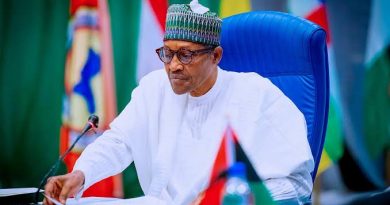
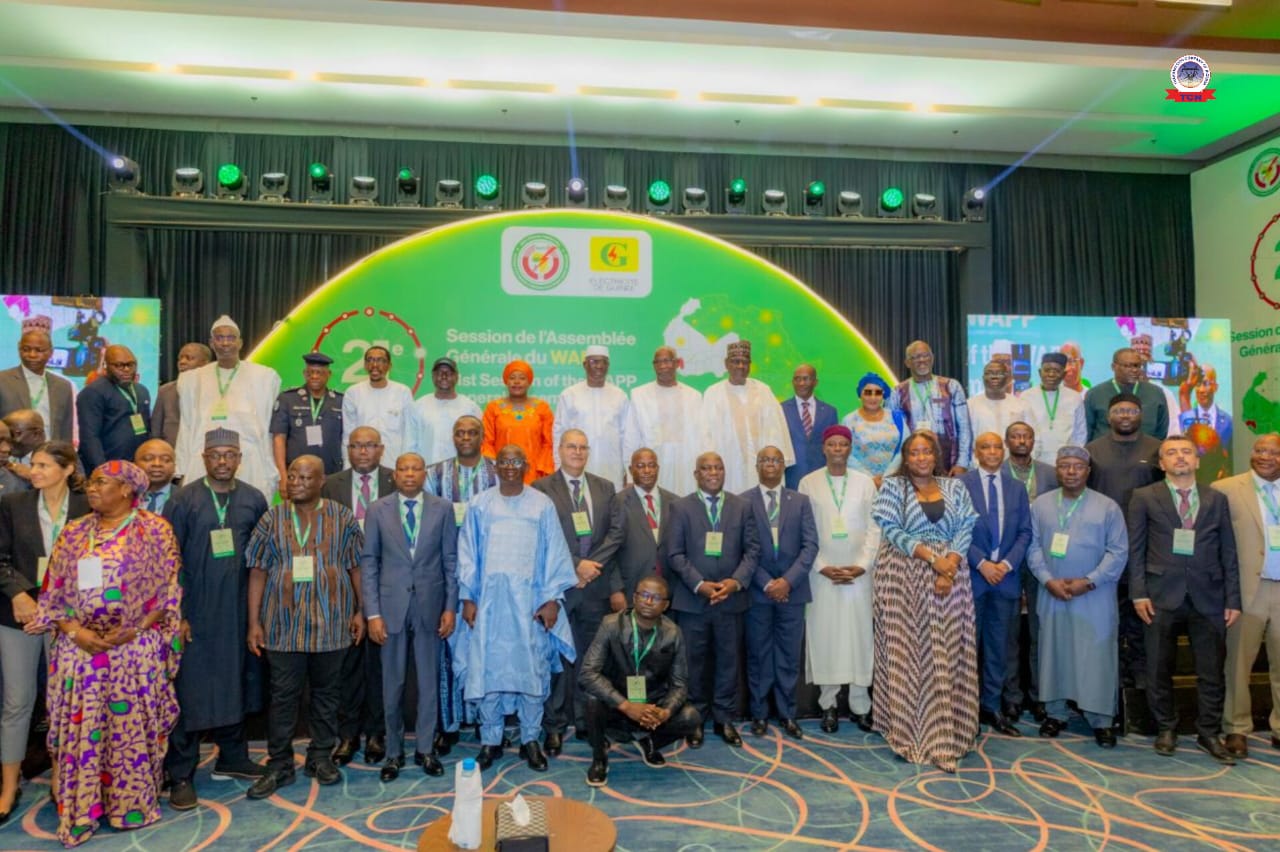
The Chairman of the WAPP Executive Board, Engr. Sule Ahmed Abdulaziz, disclosed this at the 21st session of the General Assembly of the organisation held in Conakry, Guinea.
Abdulaziz said the second phase of the regional electricity market would introduce a day-ahead trading system, under which electricity prices between countries would be determined through an organised and transparent market structure.
READ ALSO: NOA Identifies Voter Education Gaps, Moves to Address Them Ahead of 2027
He said the development would move the sub-region beyond bilateral electricity agreements to a more competitive market capable of improving efficiency and strengthening cross-border power supply.
According to him, investments in transmission infrastructure, common regulations and regional institutions over the past two decades must now translate into tangible economic benefits for member states.
He, however, identified market discipline, reliable data exchange, accurate metering and effective settlement arrangements as critical requirements for the successful implementation of the new trading system.
The WAPP chairman also disclosed that the organisation was working on institutional reforms to establish an independent system and market operator, separating electricity network operations from market administration.
He explained that the arrangement would promote fairness in decision-making and protect market operations from undue external influence.
Abdulaziz further said the proposed Liquidity Enhancement Revolving Fund was being studied to provide financial security for electricity transactions and strengthen confidence among participating countries.
He urged electricity utility chief executives to fulfil their statutory financial obligations, stressing that regular contributions were essential to the autonomy and effectiveness of the organisation.
Earlier, Guinea’s Prime Minister, Amadou Oury Bah, called on member states to embrace regional electricity cooperation rather than operate in isolation.
Bah, who represented President Mamadi Doumbouya, said the development of a unified West African energy community was necessary to strengthen economic competitiveness, national sovereignty and regional stability.
He identified Guinea’s Kaleta and Souapiti hydropower dams, alongside planned projects such as Koukoutamba, Sambangou and Amaria, as strategic investments that could position the country as a major electricity supplier in the sub-region.
The country’s Minister of Energy, Laye Sékou Camara, said national electricity access and regional power exchanges should be pursued simultaneously.
He noted that installed generation capacity alone did not guarantee electricity supply without adequate transmission infrastructure.
Camara recalled that Guinea benefited from electricity support from Senegal following the fire at the Coronthie depot in December 2023, describing regional interconnection as a form of mutual insurance among countries.
Meanwhile, the WAPP Secretary-General, Abdoulaye Dia, said the successful synchronisation of the electricity networks of the 15 West African countries for four hours and five minutes on November 8, 2025, marked a major achievement.
He said a subsequent test scheduled for November 2026 would target 48 hours of synchronisation as part of efforts to achieve permanent integration of the regional electricity networks.
Dia also highlighted progress in the regional tariff framework following decisions adopted in 2026 by the ECOWAS Regional Electricity Regulatory Authority.
The General Assembly, held under the theme, ‘Consolidating the Regional Electricity Market as a Lever of Transformation and Resilience for West Africa’, brought together energy ministers, electricity utility executives and international partners.
At the end of the meeting, 17 transmission system operators signed the Inter-grid Operators Agreement to facilitate coordinated operations across interconnected electricity networks.