GITEX: AfCFTA, NITDA push digital sovereignty
 0
0
 0
0
GITEX: AfCFTA, NITDA push digital sovereignty
By Alabidun Shuaib AbdulRahman
The Secretary-General of the African Continental Free Trade Area, AfCTA Secretariat, Wamkele Mene, has urged African countries to develop their own digital infrastructure instead of relying solely on systems developed outside the continent.
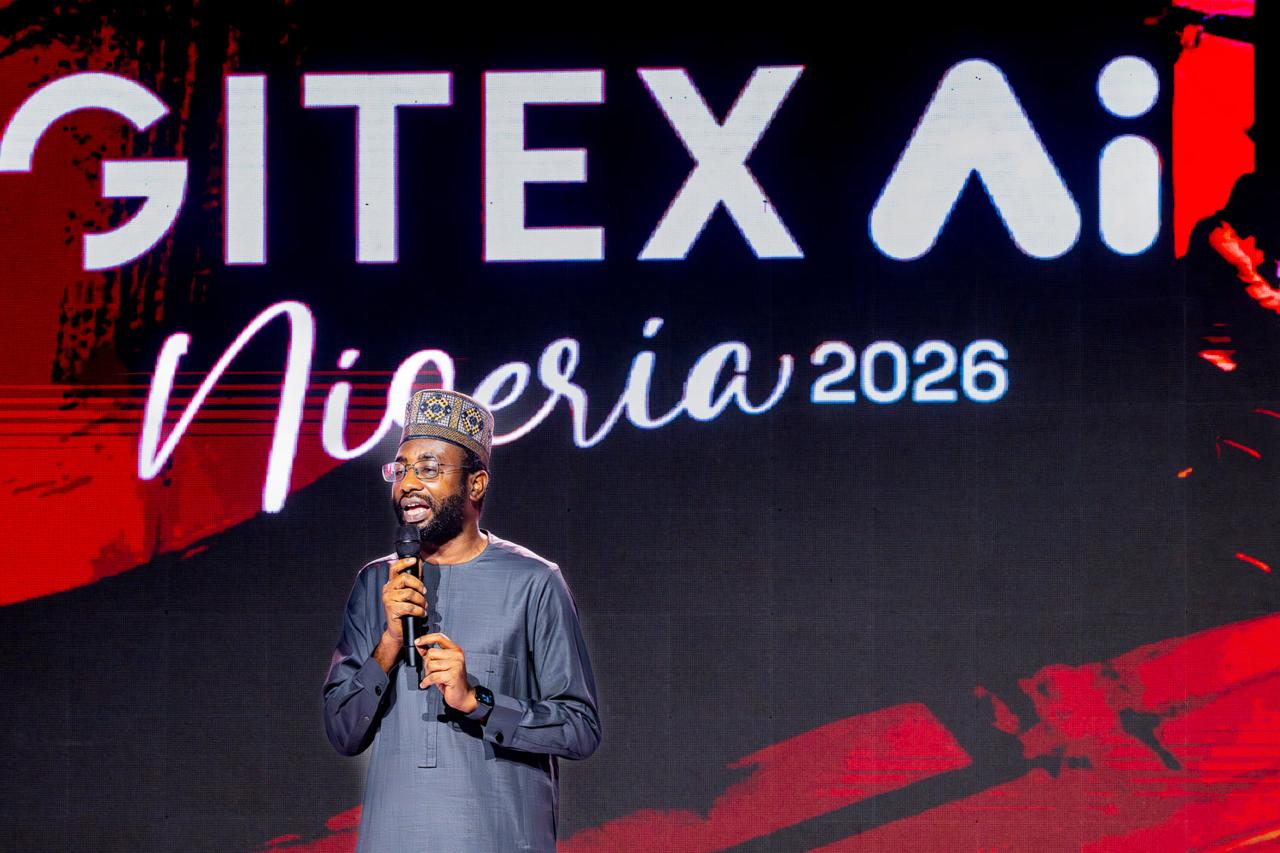
Mene made the call on Wednesday at the inauguration of the second edition of GITEX Nigeria in Lagos, where policymakers, technology companies, investors and startups gathered to discuss Africa’s digital transformation.
He said Africa possessed the talent, innovation and technical expertise needed to shape its digital future and use technology to drive continental integration and economic development.
“Africa should not simply import digital infrastructure systems developed for other countries outside of the continent,” Mene said.
READ ALSO: GITEX Nigeria: Lagos targets Africa’s innovation capital status
He stressed the need to connect African innovation to a single digital continental market where businesses could operate, transact and expand across national borders.
According to him, such integration would enable African countries to convert technological innovation into commercially meaningful trade under the AfCFTA framework.
Mene’s position was reinforced by the Director-General of the National Information Technology Development Agency, NITDA, Kashifu Inuwa Abdullahi, who said Nigeria must move from being a consumer of technology to becoming an active builder.
Inuwa said the country had talented young people capable of developing solutions to local challenges if the right environment was created for innovation.
“As a nation, we need to be intentional if we want to be an active participant in this economy. We also have real-world problems that need innovative solutions,” he said.
The NITDA boss said Nigeria was focusing on data, cloud, operational and artificial intelligence sovereignty as part of efforts to strengthen the country’s digital independence.
“We don’t want to be at the receiving end of technology; we want to be an active builder of the technology,” he added.
Also speaking, the Director-General and Chief Executive Officer of the National Identity Management Commission, NIMC, Abisoye Coker-Odusote, said digital identity and trust were critical to the success of cross-border commerce.
Coker-Odusote said the recently signed National Identity Management Commission Act 2026 would provide a modern framework for secure and inclusive digital identity management.
The legislation, signed by President Tinubu in June, replaced the 2007 NIMC Act and reinforced the National Identification Number as Nigeria’s primary identity credential.
She said secure digital identity, public key infrastructure and digital public infrastructure must work together to facilitate seamless verification, authentication and transactions.
“Connection without trust breeds vulnerability,” Coker-Odusote said, stressing that digital trust would be essential to enabling cross-border trade within Africa.
She noted that contracts, credentials and payments increasingly moved through digital channels, making secure identity and authentication systems indispensable.
The GITEX Nigeria 2026 inauguration therefore placed digital sovereignty, artificial intelligence, cybersecurity, digital identity and continental interoperability at the centre of discussions on Africa’s future economy.
The event, which continues in Lagos until Thursday, is expected to attract more than 400 exhibiting companies and startups, as well as over 200 investors managing assets estimated at $200bn.